
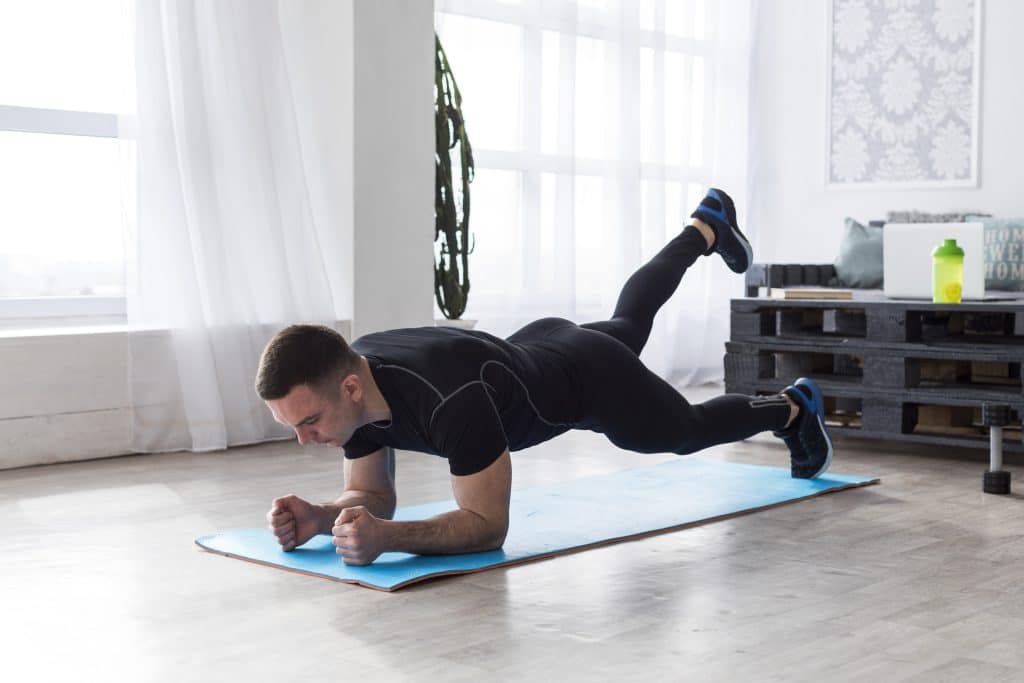
Maintaining a consistent fitness routine can be challenging, especially when busy schedules, travel, or limited access to gyms make regular workouts difficult. Fortunately, home-based calisthenics training offers a practical and highly effective solution for people who want to stay active without relying on gym equipment.
Calisthenics focuses on bodyweight exercises that build strength, flexibility, and endurance using natural movements. This type of training has gained popularity worldwide because it allows individuals to work out anywhere while still achieving impressive fitness results.
With the support of structured flexible remote fitness plans, people can follow guided workout routines designed to suit their schedules and fitness levels. Coaches like Sam Stocks specialise in helping individuals build strong and sustainable fitness habits through effective training strategies that can be performed from home.
In this guide, we will explore the benefits of home-based calisthenics training, how remote fitness plans improve consistency, and why this approach is becoming one of the most popular ways to stay fit.
Understanding Home-Based Calisthenics Training
Calisthenics is a form of exercise that relies primarily on bodyweight movements rather than heavy gym equipment. Exercises such as push-ups, squats, lunges, and planks are common examples of calisthenics movements.
Home-based calisthenics training allows individuals to perform these exercises in their own living space, backyard, or nearby park. This approach removes many barriers that often prevent people from maintaining a consistent workout routine.
Some key features of home-based calisthenics training include:
- Minimal equipment requirements
- Full-body strength development
- Improved mobility and flexibility
- Functional movement patterns
- Accessibility for beginners and advanced athletes
Because the exercises rely on bodyweight resistance, they can be easily modified to suit different fitness levels.
Why More People Are Choosing Home-Based Workouts
Over the past few years, fitness trends have shifted significantly toward home workouts. Many individuals prefer the convenience and flexibility of training from home.
One of the biggest advantages of home-based calisthenics training is the ability to exercise without commuting to a gym. This saves time and allows individuals to focus on building consistent habits.
In addition, structured flexible remote fitness plans provide professional guidance without requiring in-person sessions. These plans help individuals stay motivated while maintaining a workout routine that fits their lifestyle.
Sam Stocks has helped many individuals achieve fitness transformations through structured training programs designed specifically for remote and home-based environments.
Key Benefits of Home-Based Calisthenics Training
1. Convenience and Flexibility
One of the biggest advantages of home-based calisthenics training is convenience. Individuals can exercise at any time that suits their schedule.
Whether someone prefers early morning workouts or evening sessions, training at home removes scheduling restrictions.
This convenience becomes even more effective when combined with flexible remote fitness plans, which provide structured routines that can be followed from anywhere.
2. Minimal Equipment Requirements
Traditional gym workouts often rely on machines and heavy weights. However, home-based calisthenics training focuses on movements that use bodyweight resistance.
Common exercises include:
- Push-ups
- Pull-ups
- Squats
- Lunges
- Planks
- Dips
Many of these exercises require little to no equipment, making them ideal for home workouts.
With flexible remote fitness plans, trainers can also incorporate simple tools such as resistance bands or pull-up bars to increase workout variety.
3. Improved Functional Strength
Another benefit of home-based calisthenics training is its focus on functional strength. Instead of isolating individual muscles, calisthenics movements engage multiple muscle groups simultaneously.
This improves everyday movement patterns such as lifting, pushing, and balancing.
By following flexible remote fitness plans, individuals can progress gradually and safely build strength over time.
4. Adaptability for All Fitness Levels
One of the reasons calisthenics is so popular is that exercises can be modified easily.
For beginners, movements can be simplified. For example:
- Knee push-ups instead of full push-ups
- Assisted pull-ups using resistance bands
- Supported squats for balance
As strength improves, individuals can progress to more advanced variations.
Home-based calisthenics training allows this progression to occur naturally, especially when guided by professional flexible remote fitness plans.
The Role of Flexible Remote Fitness Plans
Structured guidance is essential for achieving consistent results. Many people struggle to maintain motivation when training alone.
This is where flexible remote fitness plans become valuable.
Remote coaching programs provide structured workout routines, accountability, and expert support without requiring in-person training sessions.
Features of Remote Fitness Plans
Common features of flexible remote fitness plans include:
- Personalised workout programs
- Progress tracking
- Video demonstrations for exercises
- Regular coaching feedback
- Training schedules tailored to individual lifestyles
Coaches like Sam Stocks specialise in designing remote programs that combine strength training, mobility exercises, and mindset development.
Creating an Effective Home-Based Workout Routine
A successful home-based calisthenics training routine should include a balance of strength, endurance, and recovery exercises.
Warm-Up Routine
Before starting any workout, warming up prepares the body for physical activity.
A simple warm-up might include:
- Jumping jacks
- Arm circles
- Light squats
- Dynamic stretching
Many flexible remote fitness plans include guided warm-up routines to reduce injury risk.
Strength Training Exercises
Strength exercises form the foundation of home-based calisthenics training.
A beginner workout might include:
- Push-ups – 3 sets of 10 repetitions
- Bodyweight squats – 3 sets of 12 repetitions
- Lunges – 3 sets of 10 repetitions per leg
- Plank hold – 30 seconds
Over time, these exercises can become more challenging as strength improves.
Mobility and Flexibility Training
Mobility is an important part of long-term fitness.
Stretching exercises help improve flexibility and reduce muscle stiffness after workouts.
Many flexible remote fitness plans incorporate mobility sessions that improve joint health and movement efficiency.
Staying Motivated with Remote Coaching
Motivation is one of the biggest challenges people face when trying to stay consistent with workouts.
Working with a coach through flexible remote fitness plans provides accountability and guidance that helps individuals stay on track.
Remote coaching also provides:
- Regular progress reviews
- Personalised workout adjustments
- Encouragement and support
Sam Stocks focuses on helping individuals develop both physical strength and mental discipline, which are essential for long-term fitness success.
Avoiding Common Home Workout Mistakes
While home-based calisthenics training is effective, beginners sometimes make mistakes that can slow progress.
Common mistakes include:
- Skipping warm-ups
- Ignoring proper technique
- Overtraining without adequate rest
- Following random workouts without structure
Structured flexible remote fitness plans help individuals avoid these mistakes by providing clear and organised workout routines.
Nutrition and Recovery for Home Workouts
Exercise alone is not enough to achieve fitness goals. Proper nutrition and recovery play an important role in performance and muscle development.
Individuals following home-based calisthenics training should focus on:
- Balanced meals with sufficient protein
- Hydration throughout the day
- Adequate sleep for muscle recovery
- Rest days between intense workouts
When combined with flexible remote fitness plans, these habits support long-term fitness progress.
Long-Term Benefits of Calisthenics Training
Consistent home-based calisthenics training offers many long-term benefits for physical and mental health.
These benefits include:
- Increased muscular strength
- Improved posture and mobility
- Enhanced cardiovascular endurance
- Better body control and coordination
- Increased energy levels
Structured flexible remote fitness plans ensure individuals continue progressing toward their goals while maintaining sustainable habits.
Why Professional Guidance Makes a Difference
While many people attempt home workouts independently, professional coaching often produces better results.
Sam Stocks has built a reputation for helping individuals transform their fitness through structured programs that combine training, mindset development, and accountability.
Through personalised coaching and flexible remote fitness plans, individuals gain the support they need to stay consistent and motivated.
Conclusion
Achieving fitness goals does not require expensive gym memberships or complicated equipment. Home-based calisthenics training provides a simple yet powerful way to build strength, improve mobility, and maintain a healthy lifestyle.
By incorporating structured flexible remote fitness plans, individuals can follow guided workouts that fit their schedules while receiving professional support.
With the coaching expertise offered by Sam Stocks, individuals can develop sustainable training habits that lead to long-term health and fitness success.
Whether you are just beginning your fitness journey or looking for a convenient training solution, home-based calisthenics training combined with expert guidance can help you achieve lasting results.